
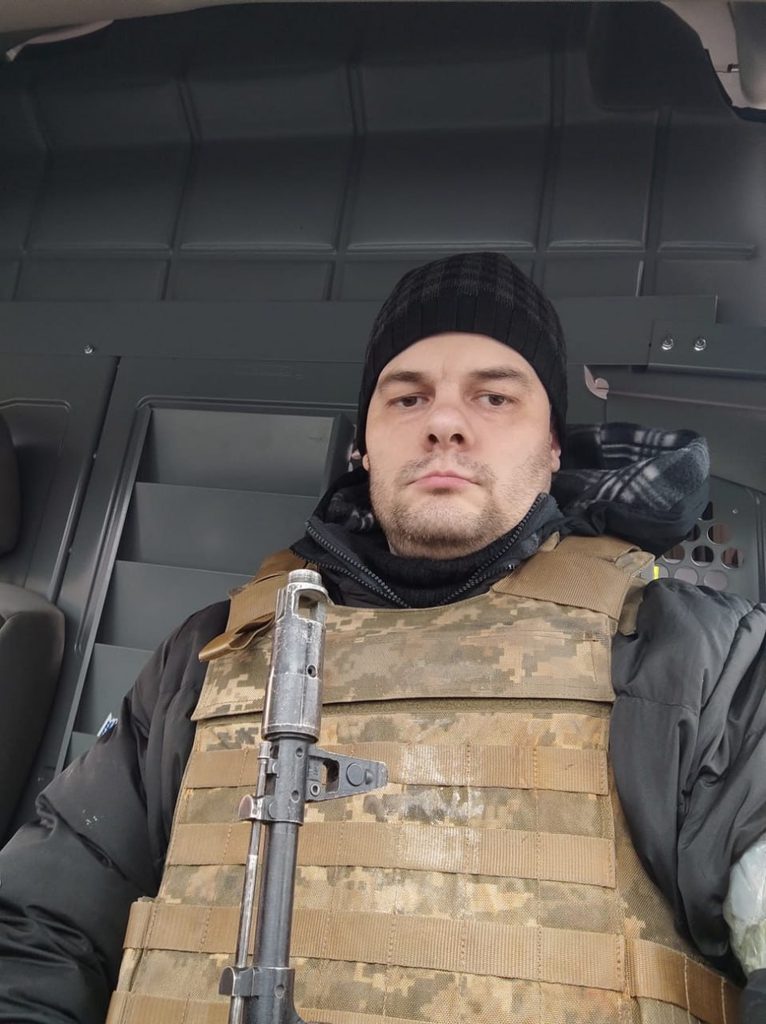
801 days in Russian captivity. Over two years of torture, hunger, and complete isolation from the outside world. Ihor Shyshko is a Ukrainian service member and a volunteer of the “Kraken” special unit who survived Russian captivity, returned to Ukraine, and dedicated his life afterward to supporting veterans, service members, and the families of defenders.
From Defending Kharkiv to Russian Captivity
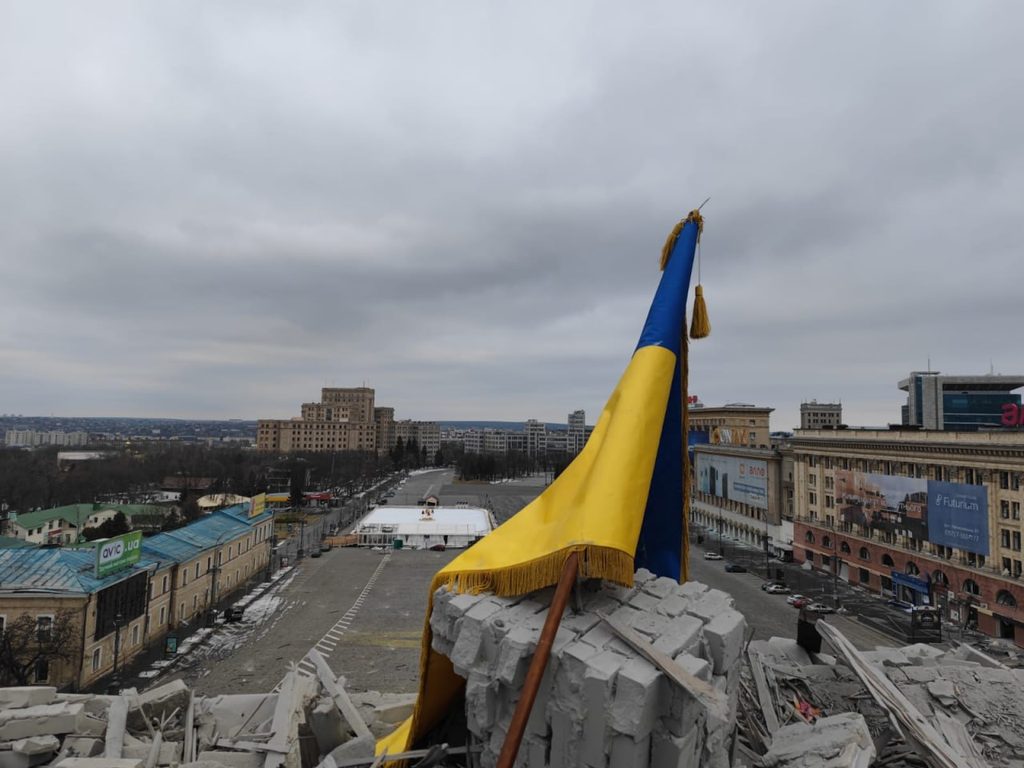
Before the full-scale invasion, Ihor Shyshko worked on the staff of the Kharkiv Regional Council. He had experience in business and government institutions, as well as a military education. At home, his wife and three children were waiting for him.
On February 24, 2022, with the start of the full-scale Russian invasion, Ihor volunteered to defend Kharkiv, joining the “Kraken” special unit. Together with his brothers-in-arms, he carried out combat missions, specifically handling reconnaissance, communications, and logistics.
On March 22, 2022, Ihor’s group set out on a reconnaissance mission to the village of Vilkhivka in the Kharkiv district. On the way back, near Kutuzivka, the service members walked into a Russian ambush.
Their vehicle was not armored. Russian soldiers surrounded the car and opened fire. The Ukrainian defenders were captured, stripped, and beaten. Within the very first minutes of captivity, they faced threats of execution.
Thus began Ihor’s journey through Russian places of detention, which lasted 801 days.
801 Days of Torture, Hunger, and Isolation
Initially, Ihor and other prisoners were held near the line of contact, and were later transferred to a camp in Shebekino, in Russia’s Belgorod region. This was followed by a pre-trial detention center in Stary Oskol, facilities in Novozybkov in the Bryansk region, Tula, and Penal Colony No. 7 in the settlement of Pakino in the Vladimir region.
According to Ihor’s testimony, torture, beatings, and cruel treatment accompanied the prisoners across the various detention facilities.
Treatment was especially brutal at the Stary Oskol pre-trial detention center. During intake, Ihor’s fingers and toes were broken. Prisoners were beaten with batons, sticks, kicks, and other objects. After the beatings, they sometimes could not recognize one another’s faces due to their numerous injuries.
Physical violence was part of the daily routine. Prisoners were forced to squat for long periods, stand in painful positions, and spread their legs, after which they were beaten on the shins. For some prisoners, such abuse led to ligament damage. Electric shocks were used during interrogations. The beatings and threats continued until the final days of captivity.
Ihor calls what he endured a “21st-century GULAG.”
Hunger became a separate method of torture. Prisoners were given meager portions of food—sometimes just a few spoonfuls of porridge or watery cabbage soup. Food could be served so scalding hot that people burned themselves, and fish was mixed into the porridge along with sharp bones. Prisoners were given mere minutes to eat.
At times, captives were left without bread for days, and then forced to eat an entire loaf at once. This caused severe digestive disorders, which became yet another pretext for abuse.
The cells were cold, and prisoners were deprived of proper nutrition, medical care, the ability to move freely, and access to fresh air.
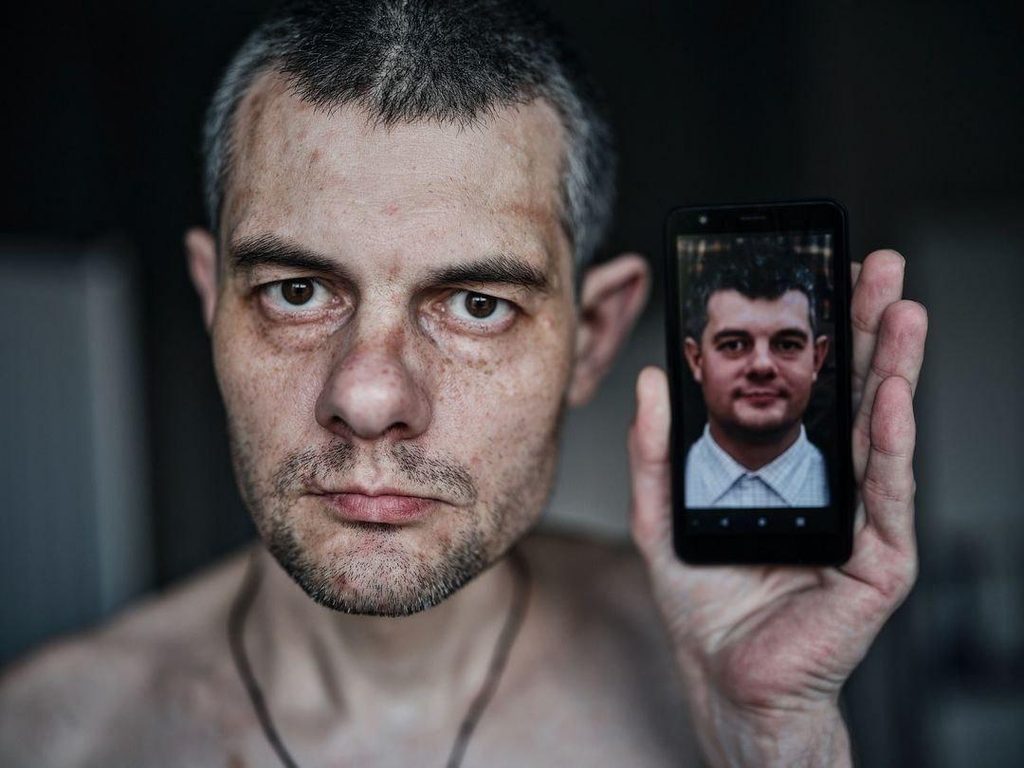
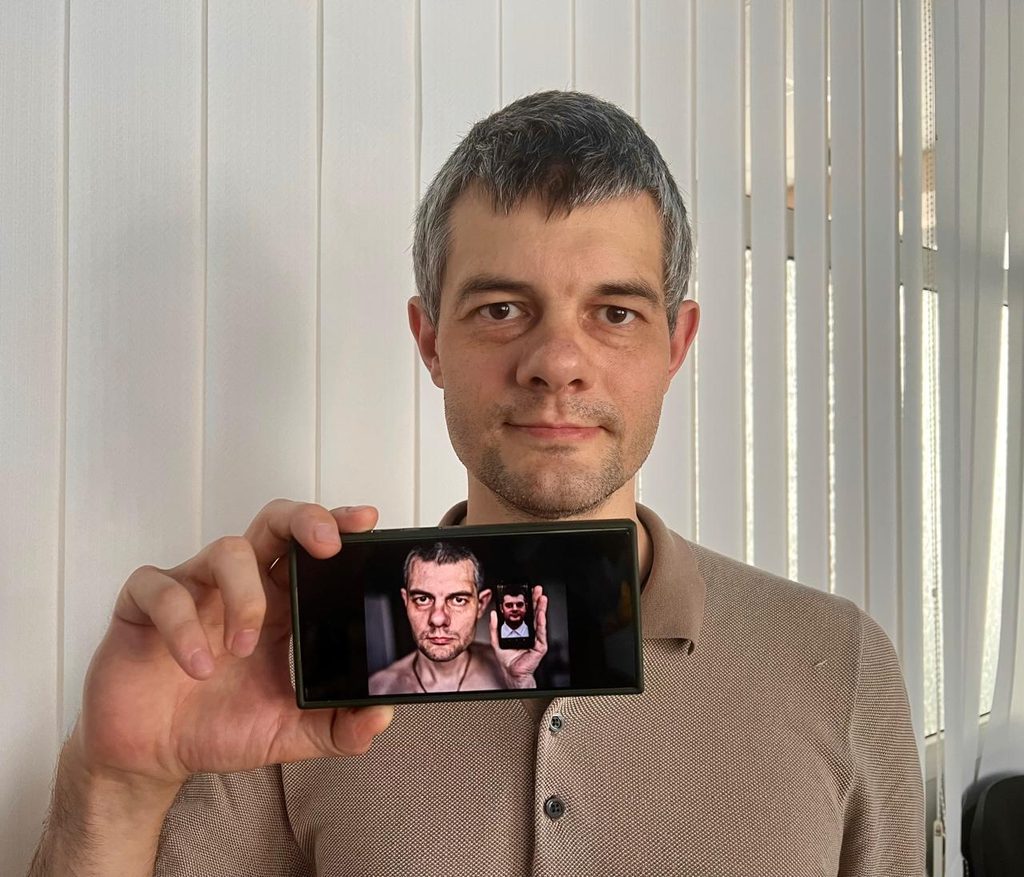
During his time in captivity, Ihor lost about 50 kilograms. Before the full-scale war, he weighed nearly 110 kilograms, and after his release, just over 60.
Psychological pressure was no less severe. The Russians threatened the prisoners with death and tried to convince them that Ukraine had already lost its independence and that resistance had ceased. The Ukrainians were deliberately kept in information isolation.
For 801 days, Ihor had no opportunity to correspond directly with his family. For a long time, his loved ones knew almost nothing about his fate. Only later, through the International Committee of the Red Cross, did his wife receive a message meant to confirm that he was alive, though its contents had been distorted.
Thoughts of his wife and children, the support of his brothers-in-arms, and faith in returning home helped him endure captivity. Despite bans and threats, the prisoners of war tried to support one another. Sometimes they quietly sang the Ukrainian national anthem. From newly arrived prisoners, they learned that Ukraine was continuing to fight, contrary to Russian propaganda.
Release and Return to Life
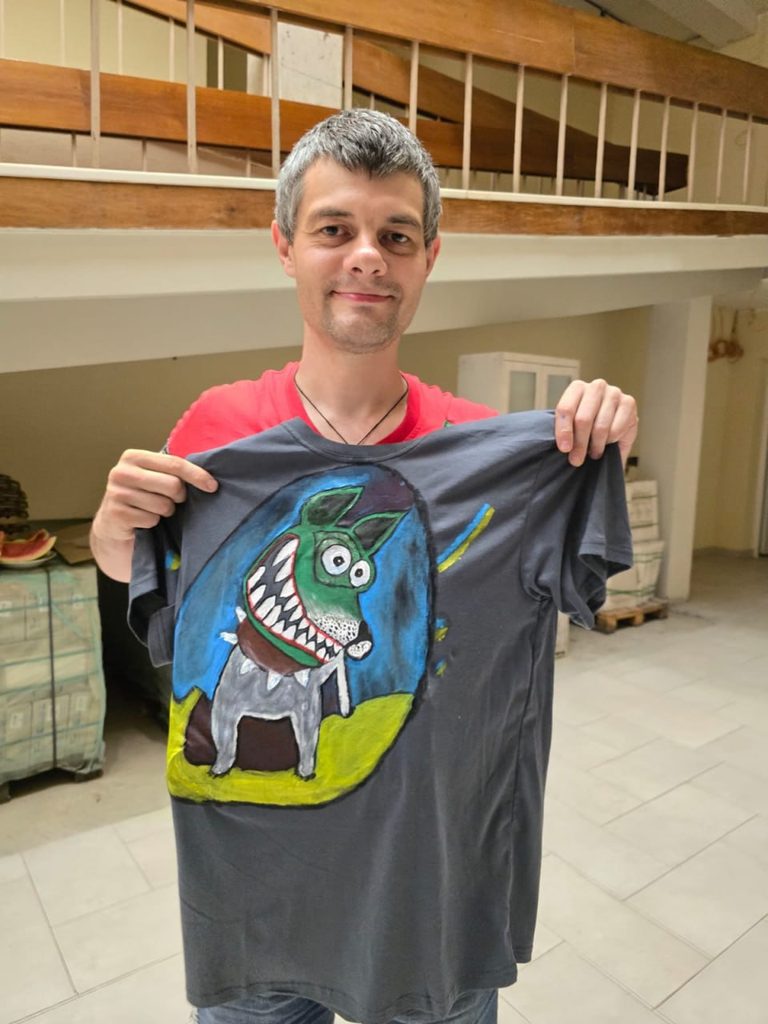
On May 31, 2024, Ihor Shyshko returned to Ukraine as part of a prisoner of war exchange.
After more than two years in captivity, he could not immediately believe he had been freed. Only when he saw Ukrainian soldiers, native flags, and Ukrainian license plates, and felt that he was on free soil, did he begin to realize: captivity was over.
Ahead lay a long process of physical and psychological recovery. Ihor underwent rehabilitation at facilities in the Poltava, Kyiv, and Vinnytsia regions. Family, friends, brothers-in-arms, and rehabilitation specialists played an important role in his return to civilian life.
At the same time, release did not mean the end of all trials. The experience of what he endured, along with memories of the torture and of those who remained in Russian prisons, continues to be part of his life.
Life After Captivity: Helping Those Who Returned and Remembering Those Still Waiting
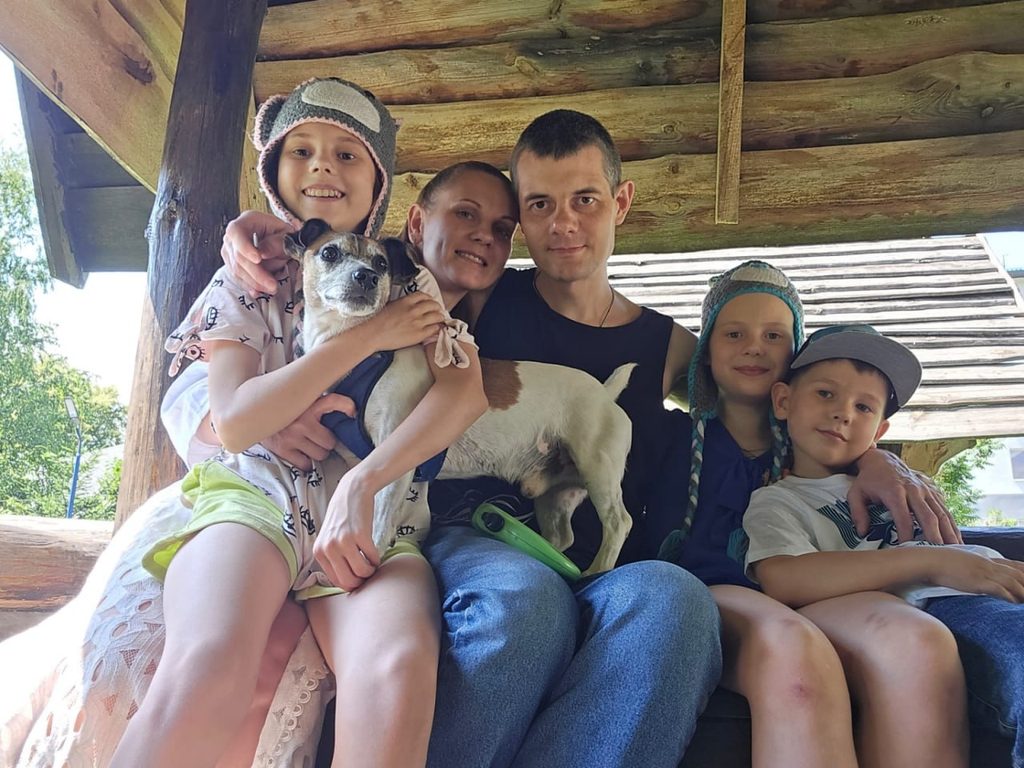
After his return, Ihor Shyshko joined efforts to build a support system for Ukrainian veterans. In late 2024, he became head of the Kharkiv Regional Council municipal institution “Veteran Space ‘Side by Side'” (Plich-o-Plich).
From his own experience, Ihor understood how vital it is that a person returning from the front lines, an injury, or captivity is not left alone with their problems.
Today, the space works with veterans, male and female defenders, their family members, as well as the families of prisoners of war, the missing, and the fallen. This includes psychological and legal support, assistance with paperwork, social support, rehabilitation, and a return to active life.
Ihor is convinced that the support system must be structured so that veterans are not forced to seek help on their own across various institutions, but rather that the state and community proactively offer the necessary assistance in a timely manner.
Supporting Ukrainians who are still in Russian captivity holds a special place in his work. Ihor takes part in public rallies, speaks about what he endured, and reminds people of the service members and civilians who remain deprived of their freedom.
His own return became possible thanks to the efforts of many people—above all his loved ones and everyone who worked to free prisoners of war.
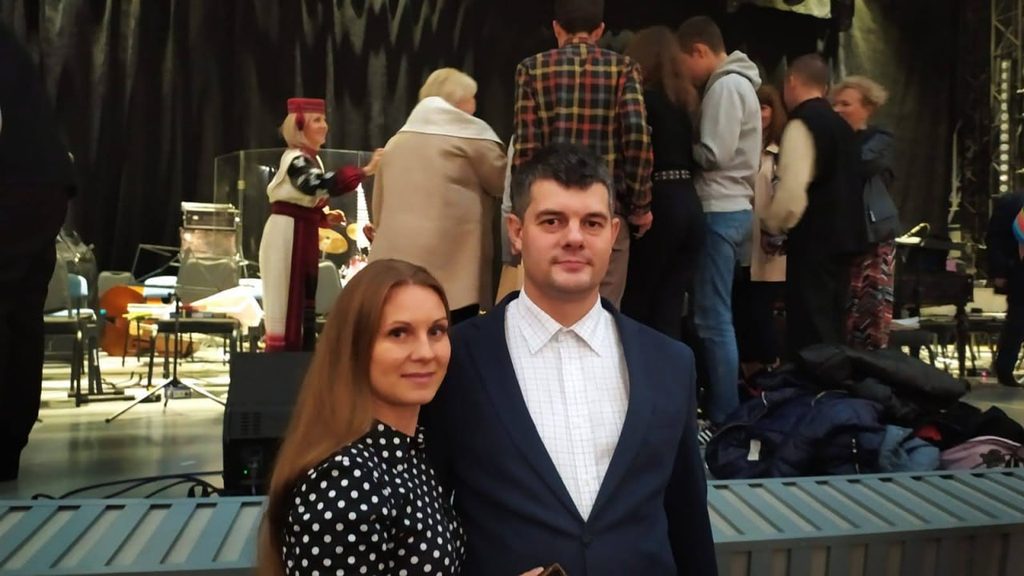
Ihor Shyshko’s story is not only a testimony to the torture and inhumane conditions he endured in Russian captivity. It is also a story of return, mutual support, and responsibility toward those who still remain in captivity.
He came home. Yet for many other Ukrainian families, the wait continues. And that is precisely why it is critically important to keep speaking about prisoners of war, preserve their stories, and make every effort to bring everyone back.
Ihor’s children have composed song dedicated to their father