
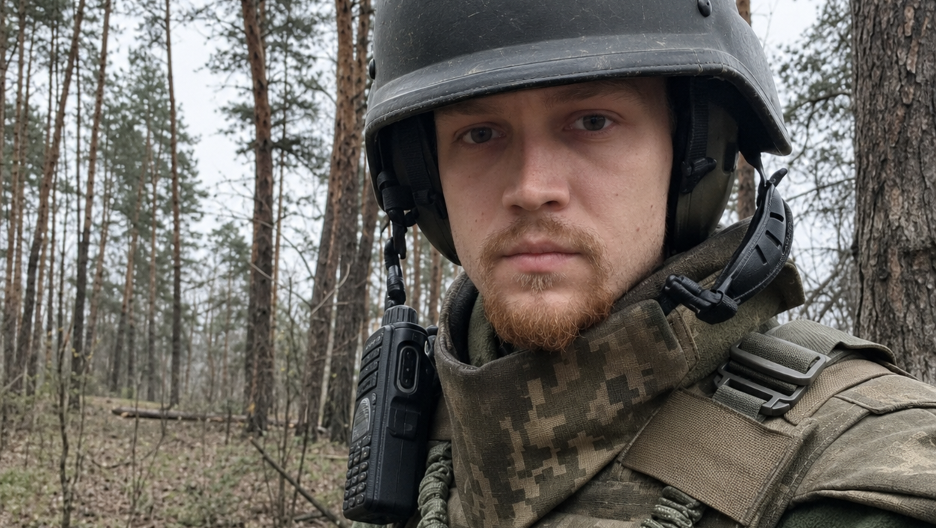
Arsenii Mihailov is a Captain in the National Guard of Ukraine and a defender of the Kharkiv region who survived wounds, 27 months of Russian captivity, torture, and psychological pressure. After his release, he returned to military service. Today, his work is dedicated to helping veterans, service members, and people who have endured war and captivity.
From Civilian Life to Defending Kharkiv
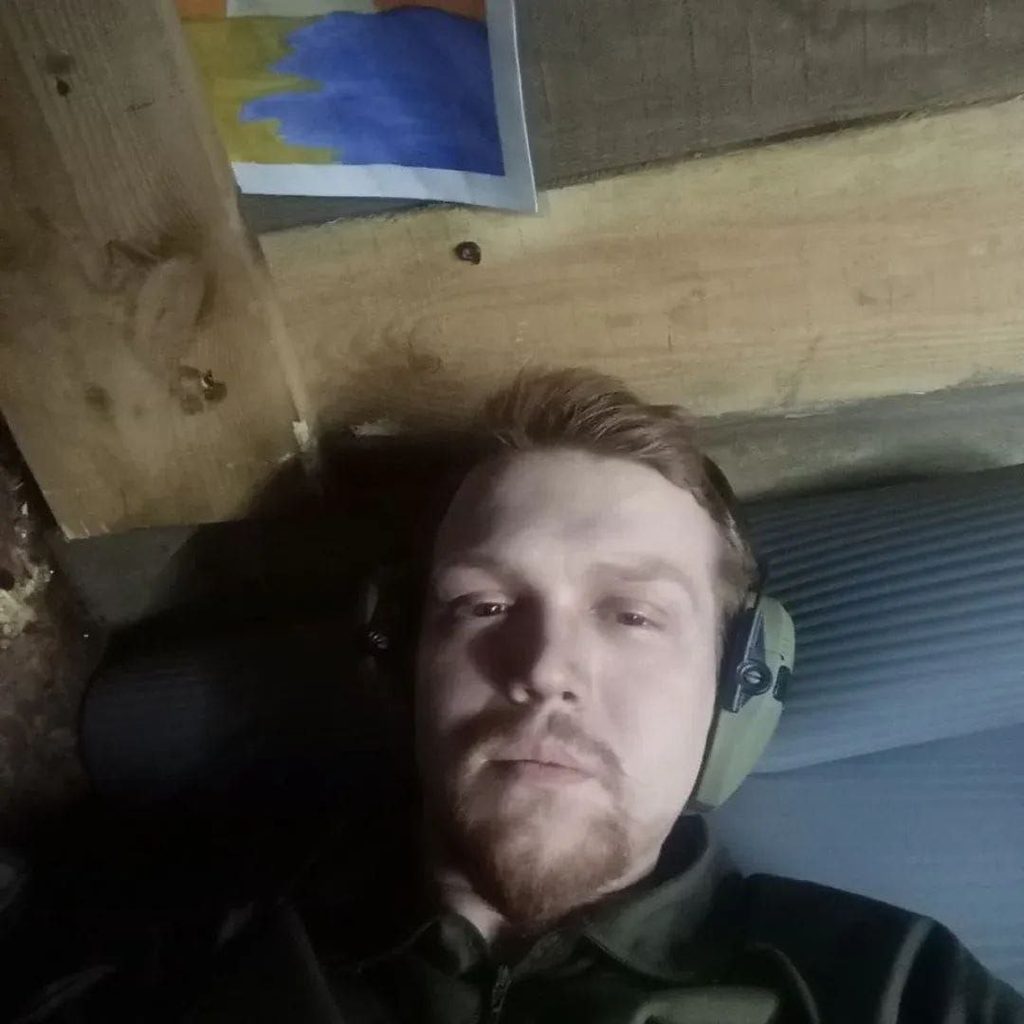
Before the full-scale Russian invasion, Arsenii lived in Kharkiv, studied at the Kharkiv National University of Civil Engineering and Architecture, and worked in the food service industry. Alongside his studies, he completed reserve officer training at the National Academy of the National Guard of Ukraine and received the rank of Junior Lieutenant in 2021.
On February 24, 2022, Arsenii was at work when the invasion began. After the first shelling, he helped his family prepare for the danger, and the very next morning, February 25, he packed his backpack, said goodbye to his loved ones, and voluntarily went to the military enlistment office.
He joined the 5th Slobozhanska Brigade of the National Guard of Ukraine, known today as the “Skif” Brigade. Together with his brothers-in-arms, he took part in the defense of the Kharkiv region.
In the spring of 2022, during shelling on the Chuhuiv front, Arsenii sustained a shrapnel wound to his shoulder. After surgery and treatment, as soon as his stitches were removed, he returned to his unit and went back to carrying out combat missions.
On April 17, 2022, by Decree of the President of Ukraine, Arsenii Mykhailov was awarded the state medal “For Military Service to Ukraine.” He received the decoration after his recovery and returned to the ranks of the National Guard.
Later came combat missions near Balaklia, participation in the Kharkiv counteroffensive, the Kupiansk front, and the Serebrianskyi forest.
The Serebrianskyi Forest and Capture
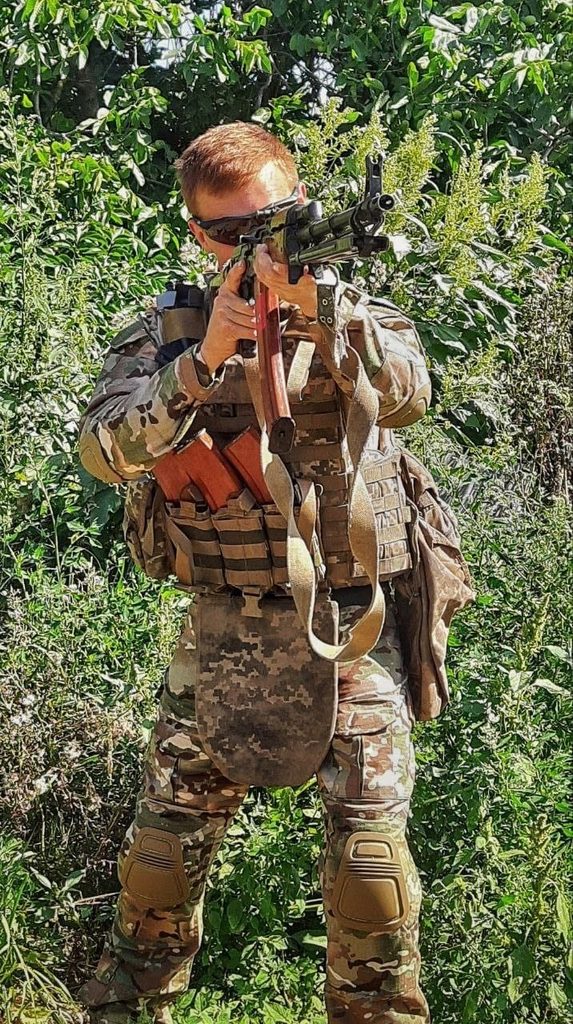
In late 2022 and early 2023, Arsenii’s unit carried out combat missions in the Serebrianskyi forest in the Luhansk region. It was one of the most difficult sectors, where Ukrainian troops came under constant shelling and repelled Russian assaults.
Arsenii served as deputy company commander for personnel. At the same time, he personally visited positions, delivered thermal imagers, radio batteries, and essential gear to his fellow soldiers, and took part in evacuating wounded and fallen service members.
During one of the Russian assaults, the enemy broke through to Ukrainian positions. Hearing a call for help over the radio, Arsenii headed toward his brothers-in-arms. In a clash with Russian troops, he was taken prisoner.
Later, Arsenii spoke candidly about his own mistakes that day. At the same time, according to him, having captured a Ukrainian officer, the Russians decided to retreat with their prisoner rather than continue the assault. As a result, the comrades he had rushed to help got a chance to survive.
For Arsenii himself, 27 months of captivity began.
27 Months of Captivity: Torture, Pressure, and the Fight to Hold On
Following his capture, Arsenii endured interrogations, beatings, electric shock torture, and psychological pressure.
He was held at a commandant’s office in occupied Luhansk and later transferred to a detention facility that prisoners called the dushohubka (“soul-killer”). There, captors tried to force Ukrainian soldiers to defect to Russia’s side.
For eight months, Arsenii was subjected to systematic recruitment attempts. Prisoners were force-fed Russian propaganda, coerced into participating in staged videos, and threatened with punishment and removal from prisoner exchange lists.
For refusing to cooperate, Arsenii endured solitary confinement in a punishment cell, beatings, and inhumane detention conditions. Yet he never changed his stance.
In January 2024, he was transferred to a pre-trial detention center, and in February, to Sverdlovsk Correctional Colony No. 38 in the occupied territory of the Luhansk region. He spent another 16 months there.
For a long time, Russia did not confirm his captivity. Official confirmation came only in his thirteenth month of imprisonment.
Despite the uncertainty, harsh conditions, and violence he endured, Arsenii kept hope of returning home. Communication with other Ukrainian prisoners, mutual support, and faith in the future remained vital to him.
Coming Home
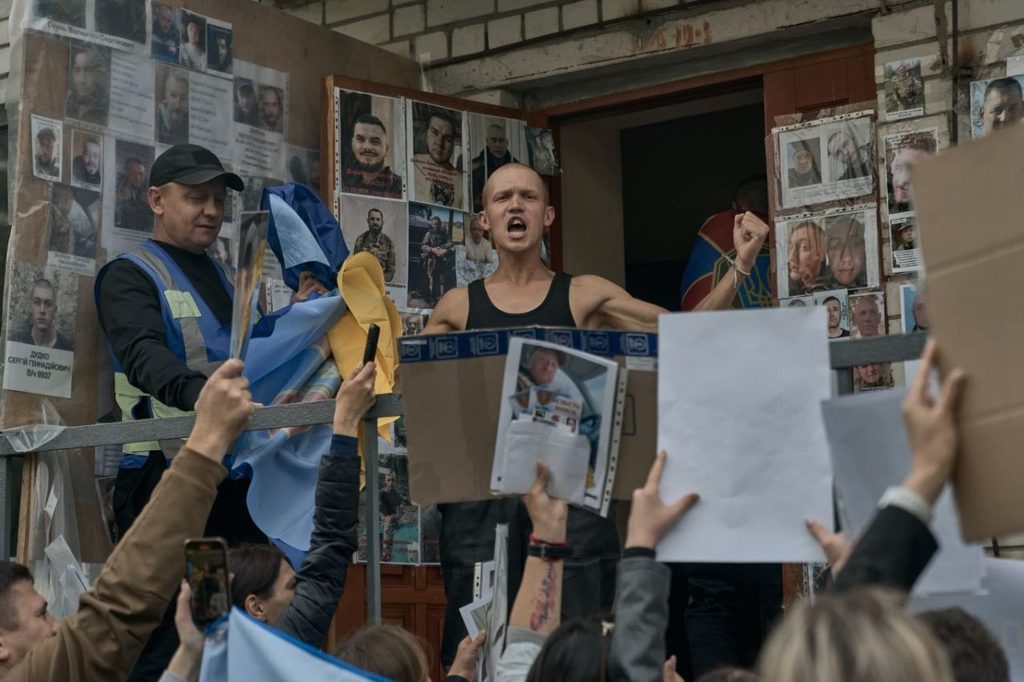
In June 2025, after 27 months in Russian captivity, Arsenii Mykhailov returned to Ukraine as part of a prisoner of war exchange.
He recalls how, along the road through Ukrainian territory, people greeted the freed defenders with flags. After years of captivity, even ordinary things—the sun, the sky, the grass, the voices of his own people—felt different.
Ahead lay medical treatment, rehabilitation, and a gradual return to everyday life.
After captivity, Arsenii weighed about 53–54 kilograms. He had to rebuild his physical strength and get used to moving freely, navigating city spaces, and handling everyday situations that had once seemed ordinary.
He recalled feeling anxious in large crowds after returning to Kharkiv. At the same time, he worked to reconnect with his former life: he exercised, traveled, met with friends and brothers-in-arms, and rediscovered familiar things anew.
Physical activity, veteran communities, and support from people with similar experiences played a special role in his recovery.
Returning to Service and Helping Veterans
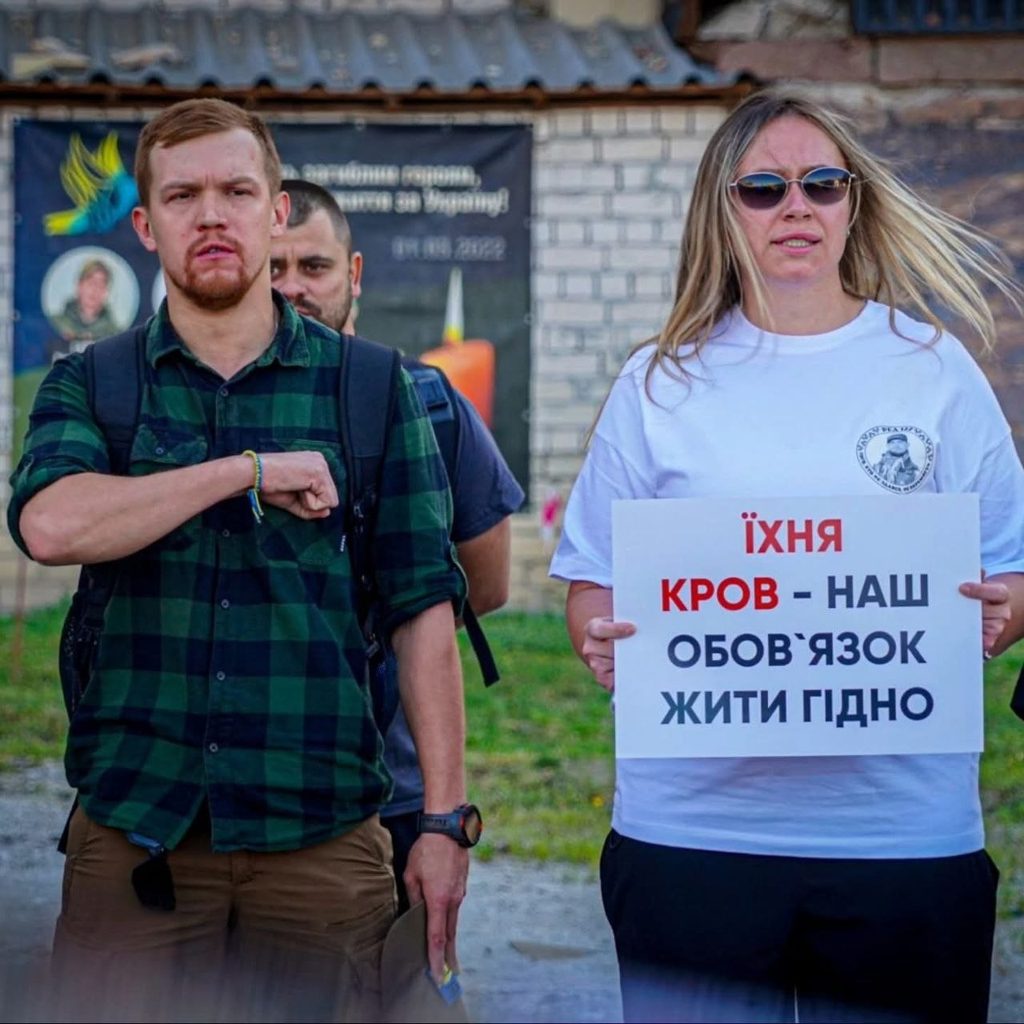
After treatment and rehabilitation, Arsenii Mykhailov decided to continue his military service.
Today, Captain Arsenii Mykhailov serves as Assistant to the Head of the Eastern Kharkiv Territorial Directorate of the National Guard of Ukraine on Veteran Policy.
His work focuses on supporting veterans, active-duty service members, and individuals who have returned from Russian captivity, helping them adapt to life after what they have endured.
His key areas of focus include providing information about state support programs, social guarantees, benefits, and opportunities for treatment and rehabilitation, as well as engaging service members in sports, creative, and community initiatives.
Arsenii knows firsthand how difficult returning from war or captivity can be. He is convinced that not only medical care, but also communication, mutual understanding, and a sense of belonging to a community play a crucial role.
Arsenii himself is part of the “Unbreakable Kharkiv” (Nezlamnyi Kharkiv) community, which promotes adaptive sports and rehabilitation.
His work also involves building cooperation between military structures and civil society organizations. In particular, in September 2026, Arsenii took part in a meeting with representatives of the NGO “Protection of the State” (Zakhyst Derzhavy), during which a memorandum of cooperation was signed in the field of veteran policy, as well as social and legal support for service members and their families, including the families of fallen and missing defenders.
Life After Captivity
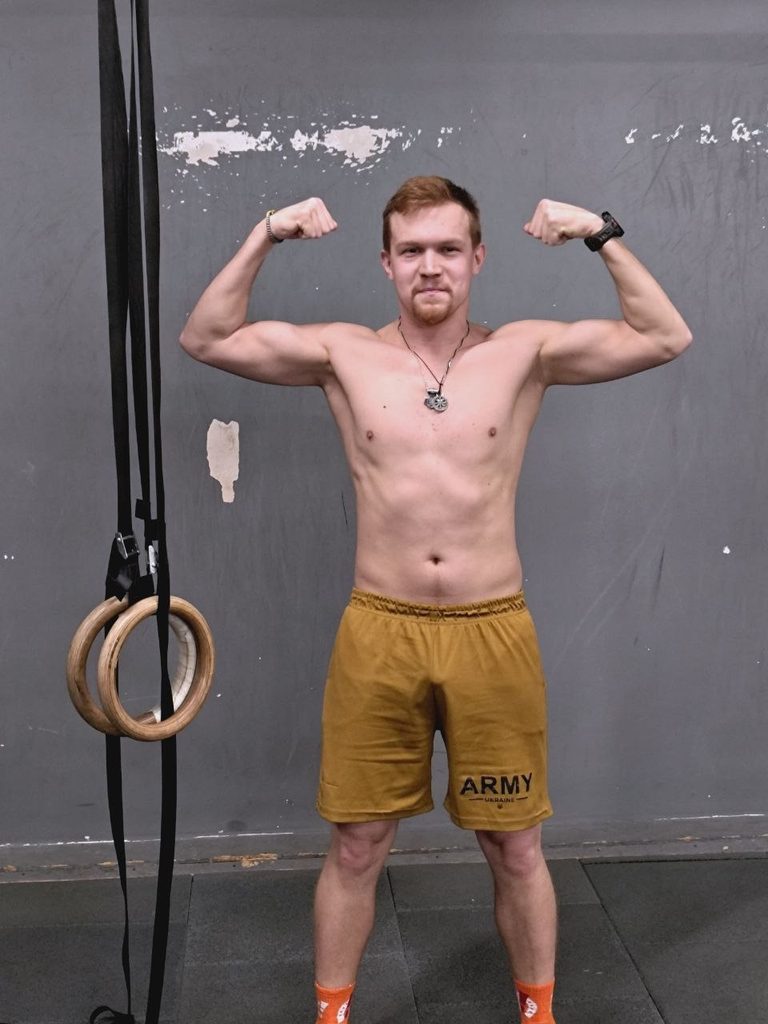
What he went through forever changed Arsenii’s attitude toward freedom, human relationships, and everyday life.
In his interviews, he speaks not only about torture and detention conditions, but also about the value of friendship, the support of brothers-in-arms, simple joys, and the ability to shape one’s own future.
He emphasizes that misunderstandings often arise between military personnel and civilians due to their different experiences of the war. That is why he considers mutual respect, open communication, and support for those returning from the front lines or captivity to be essential.
His own experience has become part of a new professional mission—helping others navigate the difficult path from the trauma of war to recovery and a return to full life.
Arsenii Mykhailov’s story is not just the story of a service member who survived 27 months of Russian captivity. It is the story of a man who came home, continued his service, and today uses his own experience to support others.
Because release from captivity is a monumental event, yet for many people, it marks the very beginning of a long road to recovery. And no one should have to walk that road alone.